Lighting Notes That Keep Rooms Honest
How to write lighting intent before fixture shopping: tasks, switching, glare, decorative light, and evening use.
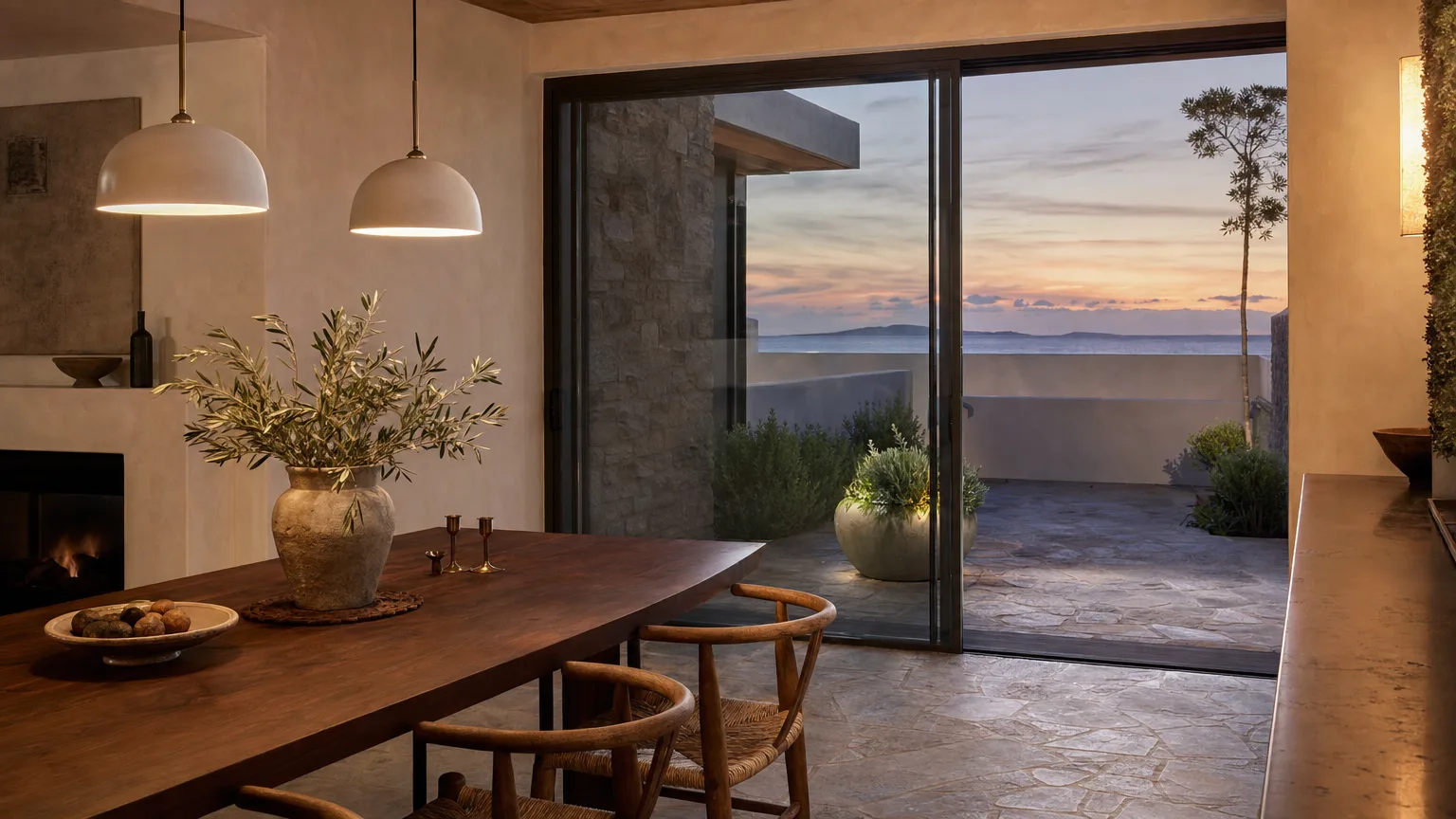
Lighting improves when the notes come before the fixture search. A room needs tasks, contrast, control, and a reason for every decorative object in the ceiling or on the wall.
Name the tasks first
Write what people do in the room at specific times. Chop vegetables. Read in bed. Put on makeup. Serve dinner. Pack school bags. Find a coat. Walk through the hall at night without waking anyone.
Each task asks for different light. A kitchen island needs clean working light. A dining room needs faces lit without glare on the table. A bedside lamp should serve reading and late-night movement without filling the whole room.
The fixture comes after the job is clear.
Separate ceiling light from atmosphere
Ceiling light often gets asked to do too much. Recessed lights can help with circulation and tasks, but they rarely make a room feel settled on their own. A grid of downlights may solve brightness and still leave the room flat.
Build layers with different jobs. Use ceiling light for movement and work. Use lamps for people and corners. Use picture lights or sconces where walls need depth. Use decorative fixtures when shape, scale, or glow matters enough to justify the object.
Keep decorative fixtures honest
A pendant over a table can hold a room. It can also hang in the way, cast bad shadows, or pretend to provide task light it cannot deliver. Decide what the fixture is responsible for.
If it is visual weight, say so. If it must light the table, check the shade, bulb position, dimming, and height. If it is only there because the plan has a centered junction box, question it before the electrician prices it.
Write the switching logic
Switching is where good lighting becomes usable. A beautiful plan can frustrate a homeowner if every evening requires a small puzzle.
Write scenes in human terms: cooking, dinner, cleanup, night path, bath morning, bath evening. Then decide which fixtures belong to each scene. Keep switches near the place where the decision happens. Dimmers belong on the layers that shape mood, including lamps, sconces, and ceiling circuits.
Check glare in side light
Glare often appears after the fixture has already been ordered. Look at reflective surfaces on the plan: stone, mirror, glass, polished metal, lacquer, dark windows at night. Ask what each light will hit.
A downlight over a polished counter may bounce into the eye. A sconce beside a mirror may throw a bright stripe across the glass. A picture light may reveal wall texture the client did not want to see. These are placement questions, not styling problems.
Test evening use before signoff
Review lighting at the hours when the room will be judged. Morning sun can forgive a weak plan. Evening exposes it.
For each main room, write one sentence: "At 8 p.m., this room should feel..." The answer may be quiet, useful, low, bright, warm, or precise. That sentence will catch errors a fixture schedule misses.
Let some corners stay dim
Even lighting can make a room feel commercial. Homes need shadow. A darker corner can make a lamp more generous. A softer wall can make a table feel calmer. A hallway does not need to announce every inch of itself.
The point is control, not brightness. Good lighting lets a room change its behavior without changing its furniture.